Citation
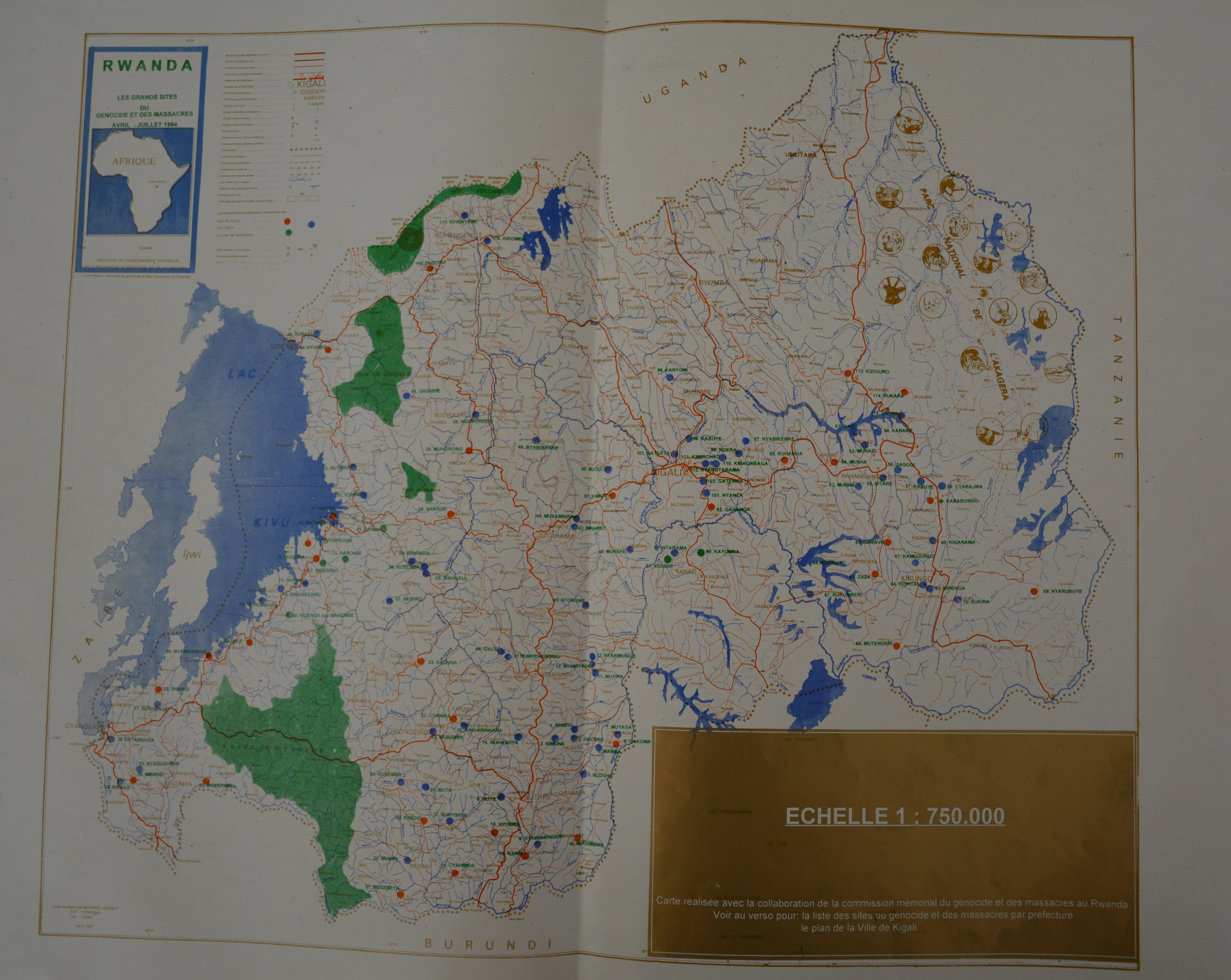
NAIROBI, April 18 (AFP) - Rebels and government forces fought artillery and small arms battles in Kigali on Monday as the Red Cross said tens of thousands of people had died and at least as many been wounded in Rwanda's bloodbath.
"There is gunfire and some shelling, but it's relatively calm compared to the last few days," United Nations spokesman Moctar Gueye told AFP by telephone from Kigali.
The rebel Rwanda Patriotic Front and the army, locked in an inconclusive struggle for the capital, have so far failed to agree on a ceasefire which UN officials are trying to broker, Gueye said.
United Nations officials meanwhile continued shuttling between the two sides in a bid to hammer out an accord to end 11 days of frenzied ethnic carnage in the capital Kigali and around the small central African highland nation, he said.
The International Committee of the Red Cross (ICRC) in Geneva said tens and tens of thousands of people had been killed and at least as many wounded in clashes between the majority Hutu tribe and the minority Tutsis, sparked by the death of President Juvenal Habyarimana in an April 6 plane crash.
The Hutu-dominated army accused the mainly Tutsi rebels of shooting down the Hutu president's plane.
Many of those slaughtered in Kigali were Tutsi civilians, including women and children hacked or clubbed to death.
"It is a real tragedy," said ICRC spokesman Rene Luc Thevoz. "The massacres have now spread across Rwanda ... and there are tens and tens of thousands of dead and certainly as many wounded."
Thevoz said the massacres had triggered a huge refugee crisis.
"Hundreds of thousands of people have been displaced and a real exodus is under way," he said.
The rebels have so far failed to wrest control of Kigali after 10 days of heavy fighting with the army.
The rebels appear to be encountering difficulties in bringing reinforcements to the capital from their northern stronghold near the Ugandan border because the guerrillas would have to cross government-held pockets of territory, diplomats said.
Some 400 Belgian peacekeepers are to leave Kigali, probably overland to Tanzania on Tuesday, because of fears that the airport could be attacked, a Belgian military spokesman said in Brussels.
Belgium decided to withdraw them from the 2,500-strong UN force in the country after 10 Belgian soldiers were killed last week while trying to protect Prime Minister Agathe Uwilingiyamana, assassinated by Hutu extremists.
The centuries-old feud between the Hutus and the Tutsis, Rwanda's feudal rulers who form about 15 percent of the population and are generally taller than the Hutus, has often spilled over into bloodshed.
Massacres in the late 1950s, when the former colonial power Belgium switched its support from the Tutsis to the Hutus, sent hundreds of thousands of Tutsi refugees into neighbouring countries.
Rwandan refugees who had served in the Ugandan army formed the backbone of the rebel movement, which invaded from Uganda in October 1990.
The rebels have demanded the disbanding of an interim government proclaimed after Habyarimana's death, and want joint patrols by their fighters and security forces to stop the massacres.
Many of the rebel demands are believed to be unacceptable to new armed forces chief Augustin Bizimungu, branded a "Hutu hardliner" by the rebels. The interim government named him Sunday to replace Deogratias Nasabimana, killed with the president.
The president of neighbouring Burundi, Cyprien Ntaryamira, who also died in the same crash, was buried Sunday.
Fears that the violence would also engulf Burundi, which shares the same ethnic composition and history of tribal rivalry as Rwanda, have so far proved unfounded.
Burundi is still reeling from massacres that left tens of thousands dead last year after the country's first Hutu president was assassinated in an abortive Tutsi-led military coup.
dc/jms